When people are dealing with pain, stiffness, or recurring injuries, the most common question we hear is:
“What’s the one thing that will fix this?”
The reality is that pain is rarely caused by a single issue — and it’s rarely solved by a single type of care.
At our clinic, we take a team-based approach, combining chiropractic care, physical therapy, and massage therapy. Not because each service is helpful on its own — but because when they work together, patients get better results, faster recovery, and longer-lasting relief.
Pain Is a System Problem, Not Just a Spot Problem
Most pain doesn’t start where it shows up.
A stiff spine can overload the shoulders.
Weak hips can stress the low back.
Tight muscles can pull joints out of optimal motion.
When care only focuses on one piece of the puzzle, improvement often stalls. Symptoms may calm down temporarily, but the underlying movement and tissue issues remain.
That’s where collaborative care changes everything.
The Role of Each Discipline — and Why They’re Stronger Together
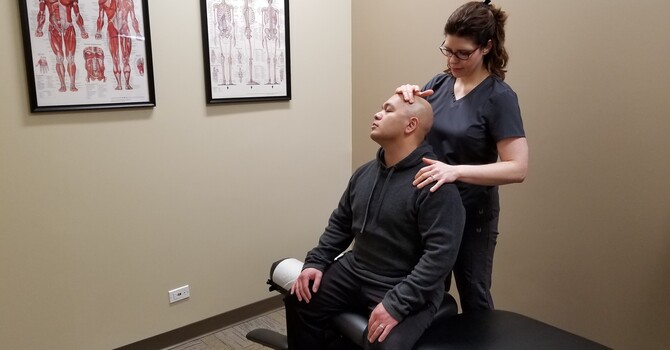
Chiropractic care restores proper joint motion and reduces stress on the nervous system. When joints move better, the body has a chance to reset and function more efficiently.
But improved motion alone isn’t enough.
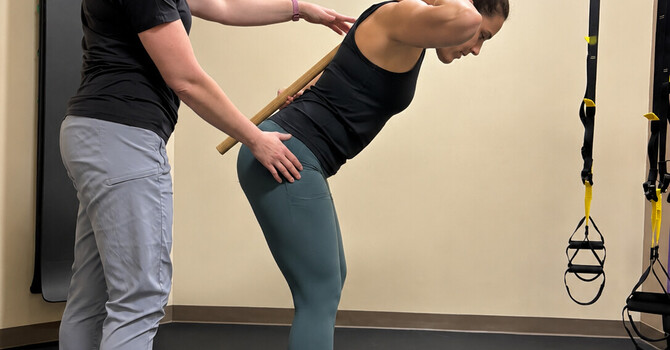
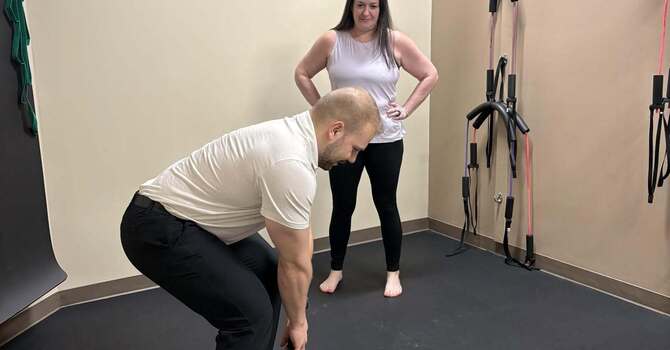
Physical therapy builds strength, control, and movement confidence. It teaches the body how to maintain those improvements during daily activities, workouts, and work demands.
And even with good movement and strength, tight or irritated soft tissue can hold progress back.
That’s where massage therapy plays a critical role — improving tissue quality, reducing muscle guarding, enhancing circulation, and helping the body recover between sessions.
Each service addresses a different part of the same system:
• Joints
• Muscles and connective tissue
• Movement patterns and strength
Together, they reinforce each other.
Why Team-Based Care Gets Better Clinical Outcomes
When chiropractic, physical therapy, and massage are coordinated:
• Pain tends to decrease more efficiently
• Mobility improves more completely
• Strength and stability develop faster
• Recurring flare-ups are less common
Just as importantly, your care team communicates. Instead of guessing what’s working or overlapping treatments, your plan evolves based on how you are responding.
That collaboration allows us to treat the cause — not just chase symptoms.
What This Means for You as a Patient
You’re not receiving isolated treatments — you’re receiving a plan.
A plan designed to:
• Help you move better
• Restore confidence in your body
• Reduce dependence on passive care
• Support long-term health, not short-term fixes
If you’ve tried single-modality care before and felt like something was missing, this integrated approach is often the difference.
What Our Patients Are Saying
Team-based care isn’t just something we talk about — it’s something our patients experience.
Massage therapy plays an important role in helping the body recover, move better, and respond more effectively to chiropractic care and rehabilitation. When it’s part of a coordinated plan, the results are often noticeable.
Here’s what one of our patients recently shared:
“Andrew is hands down the best massage therapist I’ve ever been to. From the moment you walk in, the space is organized, calming, and so relaxing. Everyone is welcoming and makes you feel comfortable right away.
Andrew truly listens and takes the time to understand what your body needs. I have lymphedema, and he is incredibly knowledgeable, gentle, and intentional with his work. I always leave feeling better—not just relaxed, but actually cared for.
Highly recommend Andrew to anyone looking for a skilled, thoughtful, and professional massage therapist.”
— Angie M
Final Thoughts + What to Do Next
We don’t believe in one-size-fits-all solutions. We believe the best results happen when skilled providers work together toward the same goal — helping you move better and feel better for the long run.
If you’re already receiving care, ask your provider if adding chiropractic care, physical therapy, or massage therapy could support your recovery and help you progress more efficiently.