If you spend a large part of your day sitting at a desk, your office chair matters. But it may not matter in the way most people think.Many patients come into our office frustrated because they’ve invested in an expensive “ergonomic” chair, only to still have neck pain, back pain, or stiffness by the end of the day. The truth is, a higher price tag does not automatically mean a better chair for your spine.
At Reset Chiropractic & Wellness Center in Bloomingdale, IL, we help people understand what actually makes a chair supportive—and why no chair can replace good movement.The Biggest Misunderstanding About Office Chairs.
The Biggest Misunderstanding About Office ChairsThere is no single “perfect” office chair.
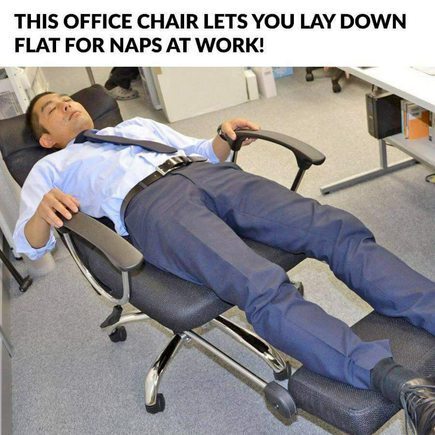
Your spine is not designed to stay in one position for hours at a time, even if that position looks ideal. A chair’s job is to support your body in a neutral position while allowing you to change positions throughout the day.
The best office chair for your spine:
- Fits your body
- Supports a neutral spine
- Allows you to change positions easily
- Doesn’t force you to sit perfectly still
Expensive Doesn’t Always Mean Better
One of the most common mistakes people make is assuming that a more expensive chair must be better for their back. In reality, some high-end chairs:
- Have aggressive lumbar supports that over-arch the low back
- Lock you into one rigid position
- Don’t adjust well to different body types
A less expensive chair that adjusts properly and fits your body can be far more supportive than a premium chair that doesn’t.
What to Look for in a Spine-Friendly Office Chair
Instead of focusing on brand or price, pay attention to these key features:
1. Seat Height: Feet Flat, Comfortable Support
When seated:
- Your feet should rest flat on the floor
- Your knees should be level with or slightly below your hips
- You should feel balanced, not perched or slouched
If the seat is too low, your pelvis rolls backward and your upper back rounds. Too high, and your legs and hips lose support.
2. Seat Depth: Enough Support Without Pressure
Sit all the way back in the chair. You should have:
- About 2–3 fingers of space between the seat and the back of your knees
A seat that’s too deep encourages slouching. Too shallow, and your thighs aren’t supported.
3. Backrest: Support Neutral, Not Forced Posture
A good backrest:
- Supports the natural curves of your spine
- Helps you sit upright without forcing an exaggerated arch
- Allows your rib cage to stack comfortably over your pelvis
If the backrest feels like it’s pushing you forward or jamming into your low back, it’s probably too aggressive.
4. Armrests: Helpful Only If Set Correctly
Armrests should:
- Allow your shoulders to relax
- Support your arms without lifting your shoulders
- Let your elbows stay close to your body
If armrests cause you to shrug or reach, they may be contributing to neck and shoulder tension.
5. Ability to Change Positions (This Is Huge)
The best chairs allow:
- Easy position changes
- Adjustments throughout the day
- Freedom to shift your posture without feeling locked in
Remember: your spine likes movement, not being stuck in one “perfect” position.
Why Even a Great Chair Won’t Fix Pain by Itself
Here’s the part that surprises most people. Even the best chair can’t:
- Restore lost spinal mobility
- Strengthen weak muscles
- Fix poor posture enduranceCorrect faulty movement patterns
If your mid-back is stiff, your hips don’t move well, or your core lacks endurance, sitting—no matter the chair—will eventually feel uncomfortable.That’s why people often switch chairs and still have pain.
Our Approach: Don’t Just Fix the Chair, Fix the Movement
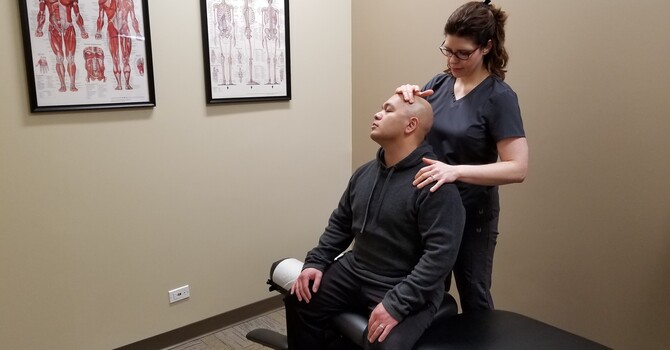
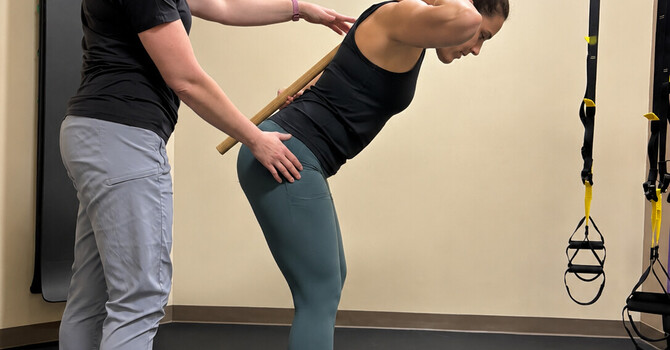
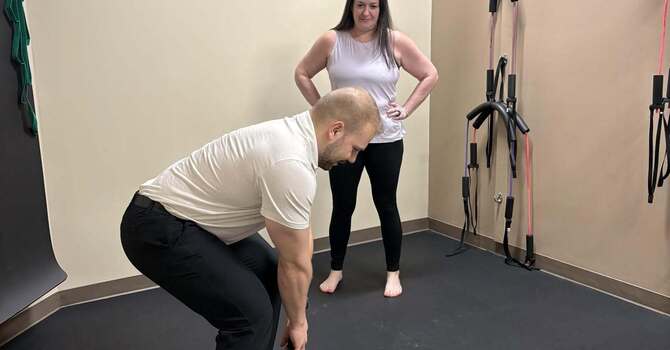
At Reset Chiropractic & Wellness Center, we don’t just ask what chair you’re using. We look at how your entire body is moving. Rather than labeling someone as having “a back problem” or “a neck issue,” we assess:
- Spinal mobility
- Posture and breathing
- Strength and endurance
- How your body compensates during daily movement
Using chiropractic care, physical therapy, massage therapy, shockwave therapy, and RESET Fitness classes, we help correct the underlying movement issues that are actually creating pain—so relief lasts.
The Real Takeaway
The best office chair for your spine is one that:
- Fits your body
- Supports a neutral position
- Allows regular position changes
- Is paired with movement, posture breaks, and proper conditioning
If sitting all day is unavoidable, we can help reduce its impact.If you’re still dealing with neck pain, back pain, or stiffness despite having a “good” chair, our team at Reset Chiropractic & Wellness Center in Bloomingdale, IL can help identify what’s really going on—and fix it for the long term.Your spine doesn’t need the most expensive chair. It needs better support, better movement, and better habits.