If you’ve ever tweaked your back, strained your shoulder, or felt nagging knee pain, you’ve probably heard the advice:
“Just rest it.”
While rest can be helpful in the very early stages of an injury, it is rarely the full solution. In fact, prolonged rest often delays recovery and can even make symptoms worse.
At Reset Chiropractic & Wellness Center, we see this all the time — patients who rested for weeks (or months) but still feel pain when they try to return to normal activity.
Let’s break down why.
Pain Does Not Equal Damage
After an injury, your body becomes more sensitive to movement. This is protective.
But pain doesn’t always mean something is “torn” or “out of place.” Often, it means:
-
The area is inflamed
-
Muscles are guarding
-
Movement patterns have changed
-
The nervous system is on high alert
If you completely stop moving, you don’t retrain the system. You simply avoid it.
Rest Leads to Deconditioning
When you stop using a body part:
-
Muscles weaken
-
Joints stiffen
-
Tendons lose load tolerance
-
Coordination decreases
Within just 1–2 weeks, measurable strength loss begins.
If the injury was caused by overload or poor movement control, resting doesn’t fix the root cause — it just reduces your capacity further.
Tissues Need Load to Heal
Your body adapts to stress.
-
Tendons need progressive load
-
Muscles need activation
-
Joints need movement
-
The nervous system needs graded exposure
Complete rest removes the stimulus needed for adaptation. Controlled, progressive loading is what restores resilience.
Most Injuries Are Load Management Problems
In many cases, injuries happen because:
-
Activity volume increased too quickly
-
Recovery wasn’t adequate
-
Strength wasn’t sufficient for demand
-
Mobility limitations altered mechanics
Rest may reduce irritation temporarily — but unless the underlying load capacity improves, the pain returns when activity resumes.
What Actually Works Better Than Rest?
Instead of “do nothing,” we focus on:
Relative Rest
Reduce aggravating activities — but don’t eliminate movement entirely.
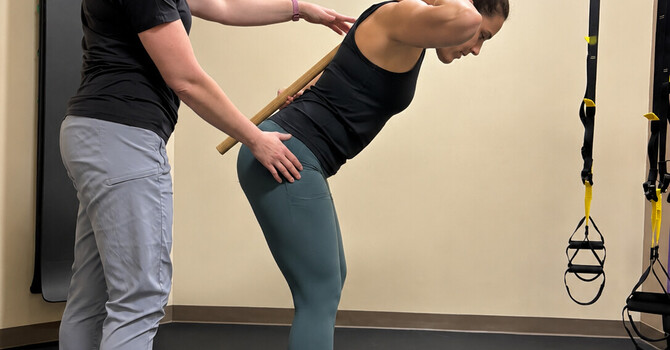
Specific, Targeted Exercises
Not random YouTube workouts. Exercises tailored to:
-
Your injury
-
Your goals
-
Your current capacity
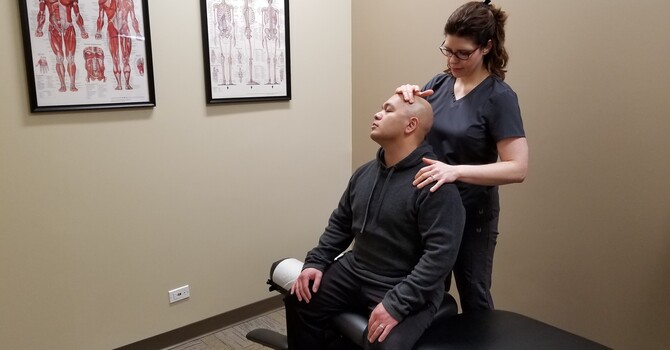
Manual Therapy When Appropriate
Chiropractic care, physical therapy techniques, and massage can:
-
Reduce muscle guarding
-
Improve mobility
-
Decrease pain sensitivity
But these are most effective when paired with active rehab.
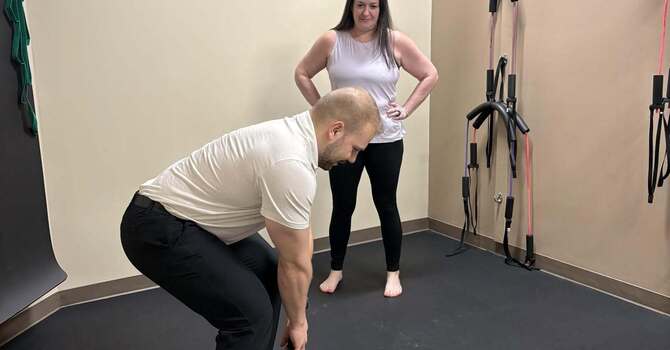
Progressive Strength Building
Once pain decreases, we gradually build:
-
Load tolerance
-
Stability
-
Movement efficiency
This is how you prevent recurrence.
Why the “Wait It Out” Approach Often Fails
Many patients tell us:
“It felt better when I wasn’t doing anything… but as soon as I went back to the gym / work / running, it came back.”
That’s because the injury wasn’t resolved — it was just quiet.
Healing is not just about time.
It’s about restoring capacity.
The Reset Approach
At Reset Chiropractic & Wellness Center, we combine:
-
Chiropractic care
-
Physical therapy
-
Massage therapy
-
Movement-based rehab
We don’t just calm symptoms — we build you back stronger.
Our goal is simple:
Help you return to daily activities, exercise, and sport with confidence — not fear.
Final Takeaway
Rest can help in the first few days.
But long-term recovery requires:
-
Smart movement
-
Progressive loading
-
Addressing the root cause
If you’ve been resting and your injury isn’t improving, it may be time for a different plan.
Your body was designed to move.
Let’s help it move better.