If your shoulder feels tight, stiff, or painful—especially when reaching behind your back—you’re not alone.
This is one of the most common movement limitations we see in the clinic.
And most people assume it’s just a “tight shoulder.”
But in reality, it’s usually more than that.
What Is Upper Extremity Pattern 1 (UE1)?
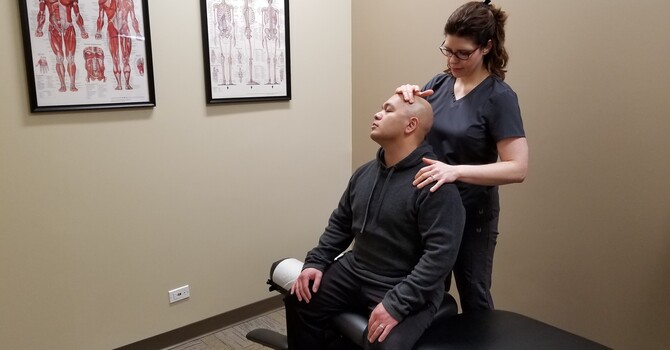
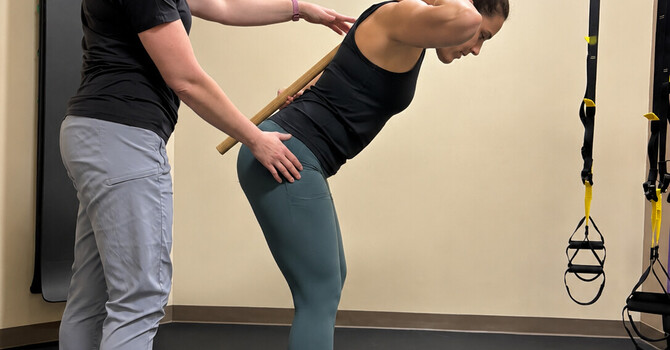
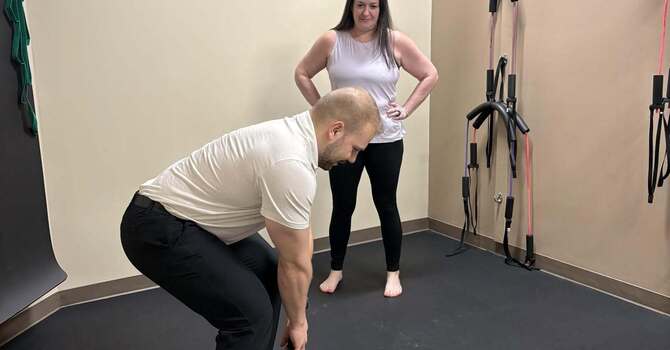
At Reset Chiropractic & Wellness Center, we use a system called the Selective Functional Movement Assessment (SFMA) to evaluate how your body moves as a whole.
One of the key patterns we assess is called Upper Extremity Pattern 1 (UE1).
This pattern looks at your ability to move your arm behind your body, like:
-
Reaching into your back pocket
-
Tucking in your shirt
-
Washing your lower back
While it seems like a simple shoulder movement, it actually requires coordination between multiple areas.
What Needs To Work For This Movement?
For UE1 to function properly, your body relies on:
-
Shoulder extension and internal rotation
-
Proper shoulder blade control
-
Mobility through your upper back (thoracic spine)
-
Coordination between all of the above
If one piece is limited, your body will compensate—and that’s where problems start.
Why This Matters
When this movement pattern is restricted, you may experience:
-
Pain reaching behind your back
-
Tightness in the front of the shoulder
-
Limited mobility with lifting or training
-
Ongoing stiffness that doesn’t improve
The key takeaway:
It’s rarely just a shoulder issue.
Most of the time, it’s a breakdown in how your shoulder, shoulder blade, and upper back work together.
That’s why stretching alone often doesn’t fix the problem.
A Simple Exercise To Start Improving It
One of the exercises we commonly use in the clinic to improve this pattern is:
Hand on Counter Shoulder Extension
How to perform it:
-
Place the back of your hand on a counter or sturdy surface
-
Keep your arm straight
-
Step forward and widen your feet
-
Keep your chest high and squat down till you start feeling a stretch in the front of the shoulder
Dosage:
-
Hold for 1 seconds
-
Repeat 10-15 times
This exercise helps restore shoulder extension and begins to retrain the movement pattern.
When To Seek Help
If you’re dealing with:
-
Persistent shoulder pain
-
Limited mobility that isn’t improving
-
Pain during workouts or daily activities
It’s important to address the root cause—not just the symptoms.
Ready To Fix Your Shoulder The Right Way?
If you’ve tried stretching, resting, or modifying workouts without success, it may be time for a more structured approach.
Schedule a New Patient Visit to get a full movement assessment and a clear plan moving forward.