Do you feel like you're constantly stretching your neck, rolling your shoulders, or getting massages, only to have the pain return a few days later?
You're not alone.
Neck pain is one of the most common reasons people seek care, yet many people spend months—or even years—chasing temporary relief without ever addressing the underlying cause.
If your neck pain keeps returning, it's usually not because you haven't stretched enough or because you slept wrong one night.In many cases, the pain is simply a symptom of a larger movement problem.
Let's look at three of the most common reasons recurring neck pain continues to come back.
Reason #1: You're Treating the Symptoms Instead of the Cause
Most people focus on where they feel the pain.
If your neck hurts, it seems logical to stretch your neck.
If your shoulders feel tight, it makes sense to massage your shoulders.
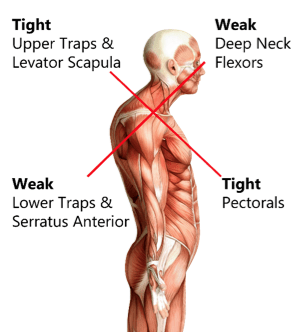
While these approaches can provide temporary relief, they don't always address why those muscles became tight in the first place.
For example, neck pain can develop from:
- Poor shoulder mobility
- Limited upper back movement
- Weakness in postural muscles
- Breathing dysfunction
- Stress-related muscle tension
- Poor workstation setup
The neck often becomes the victim of a problem occurring somewhere else in the body.
This is why many people feel better immediately after stretching but notice the pain returning within hours or days.The muscles were never the true source of the problem.
Reason #2: Your Daily Habits Haven't Changed
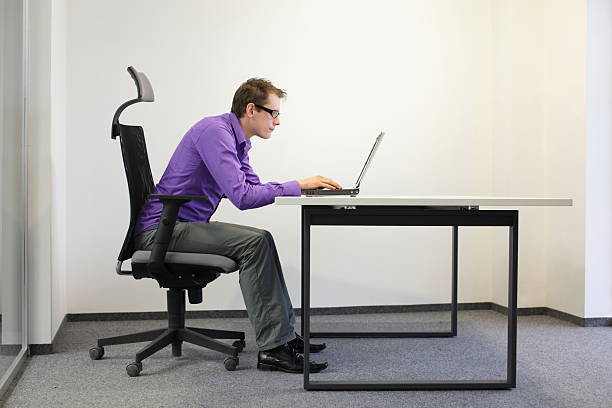
Many people are surprised to learn that the one hour they spend exercising each day is often less influential than the other 15 hours they're awake.
Think about how many hours you spend:
- Looking down at your phone
- Working at a computer
- Driving
- Watching television
- Sitting on the couch
- Carrying stress in your shoulders
Over time, the body adapts.T
he shoulders round forward.The upper back becomes stiff.
The head drifts forward.
The neck muscles work harder than they were designed to.
Eventually, pain develops.The solution isn't perfect posture all day long.
The solution is improving movement capacity, building strength, and reducing the repetitive stress that accumulates throughout the day.
Reason #3: The Problem May Not Actually Be In Your Neck
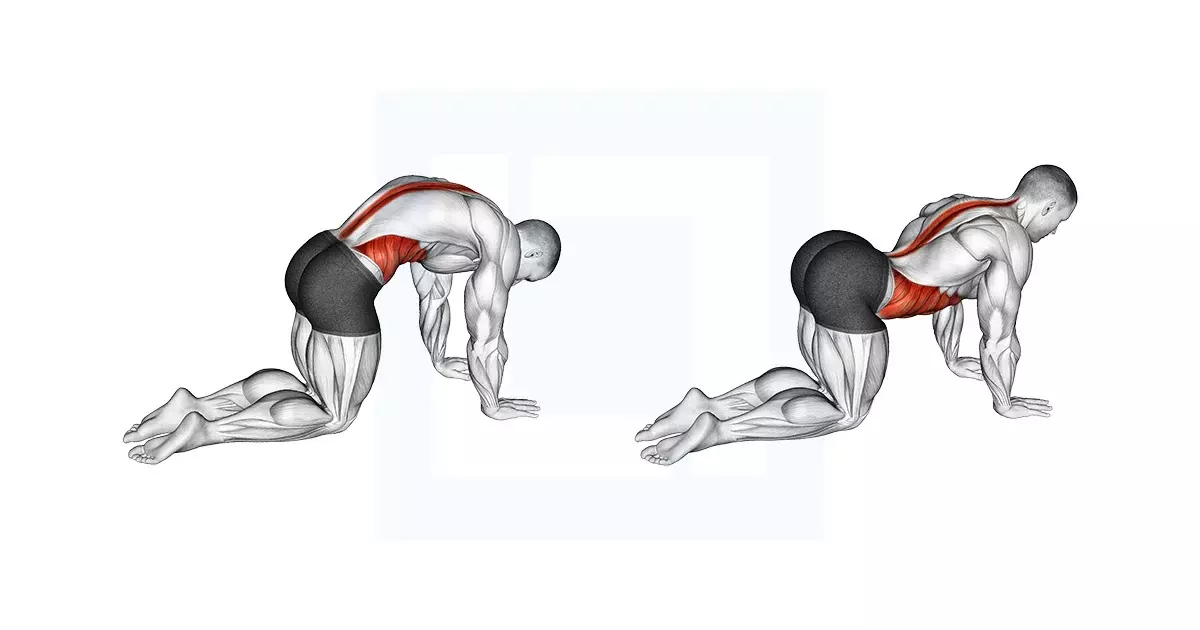
This is one of the most common findings we see during evaluations.
A patient points to their neck as the source of their pain, but the real problem may be coming from somewhere else.
The Upper Back
The upper back provides the foundation for neck movement.When it becomes stiff, the neck often has to compensate.
The Shoulders
Restricted shoulder mobility can force the neck to assist with movements it shouldn't be responsible for.This is especially common in:
- Weightlifters
- CrossFit athletes
- Desk workers
- Parents carrying young children
Breathing Patterns
Many people unknowingly use their neck muscles to help them breathe.
Over time, muscles such as the scalenes and upper trapezius become overworked and chronically tight.
Stress
Stress doesn't just affect the mind.
It often creates physical tension throughout the body.
Many patients don't realize how much stress they're carrying until they begin experiencing:
- Tight shoulders
- Frequent headaches
- Jaw tensionPoor sleep
- Persistent neck stiffness
What Actually Works for Long-Term Neck Pain Relief?
One of the biggest misconceptions about neck pain is that there is a single treatment that fixes it.
In reality, most recurring neck pain develops because the body has adapted to a pattern of movement, posture, breathing, stress, or activity over time.
That means lasting improvement often requires more than simply reducing pain—it requires changing the pattern that caused the pain in the first place.
At Reset Chiropractic & Wellness Center, we combine chiropractic care with individualized rehabilitation to help patients move better, feel better, and stay better.
Chiropractic Care Helps Restore Movement
When joints in the neck, upper back, or rib cage become restricted, nearby muscles often work harder to compensate.
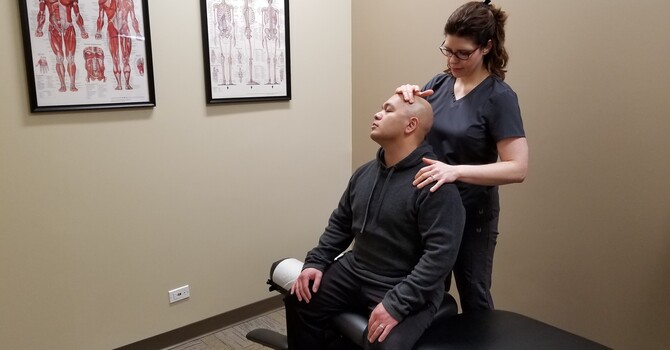
Chiropractic adjustments help restore normal movement to these areas, reduce mechanical stress, and often provide immediate relief from stiffness and discomfort.
However, restoring movement is only one piece of the puzzle.
One-on-One Rehabilitation Creates Lasting Change
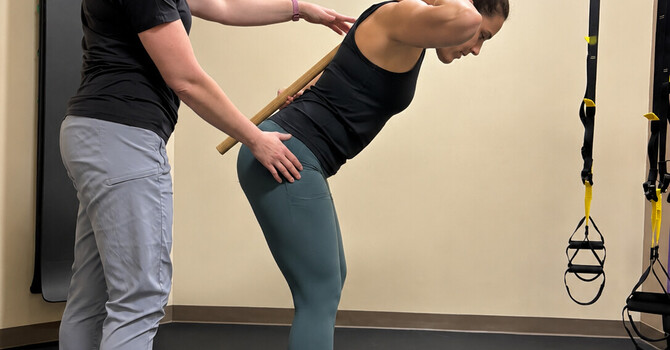
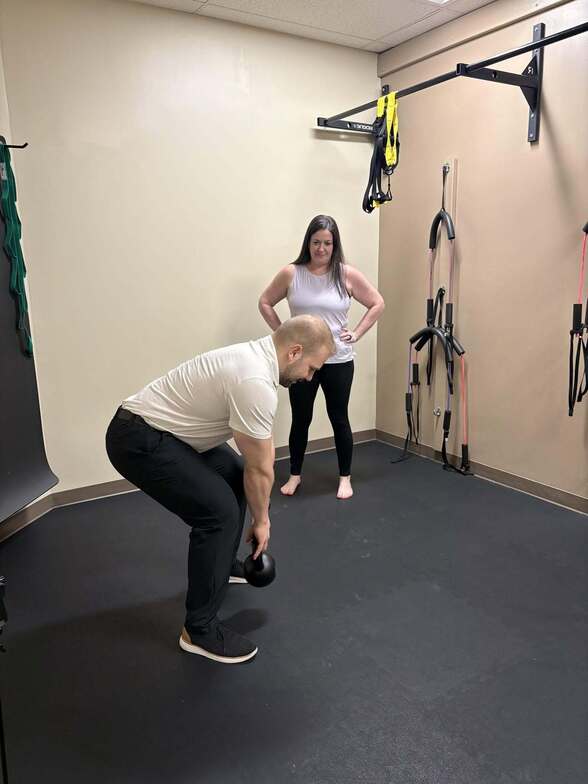
Once movement improves, we use individualized exercises and movement training to help patients build strength, improve mobility, and develop better movement patterns.
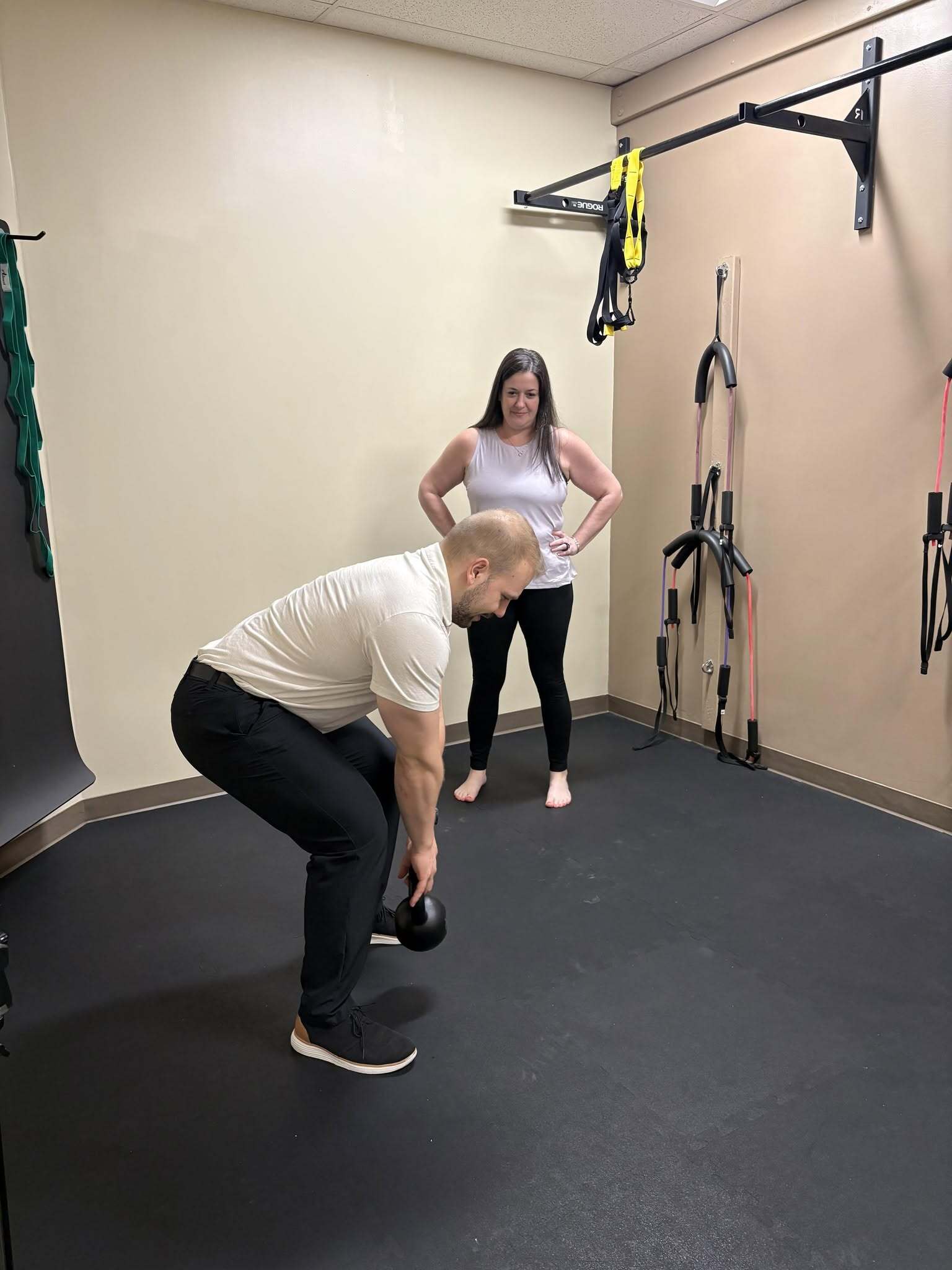
Depending on the individual, this may include:
- Postural retraining
- Neck and shoulder streng
- thening
- Thoracic mobility exercises
- Breathing exercises
- Core stabilization
- Balance and coordination training
Every exercise is selected based on the patient's specific findings, goals, and lifestyle.
The goal is not simply to make the neck feel better today.
The goal is to improve the body's ability to handle the demands of daily life tomorrow.
Why the Combination Works
An adjustment can improve movement.
Exercise helps the body learn how to use that movement.
Together, chiropractic care and individualized rehabilitation address both the symptoms and the underlying causes of recurring neck pain.
This combination is often what allows patients to move beyond temporary relief and achieve longer-lasting results.
Neck Pain Treatment in Bloomingdale, Roselle, Medinah & Itasca
At Reset Chiropractic & Wellness Center, we combine chiropractic adjustments, one-on-one rehabilitation, movement assessment, soft tissue therapy, and patient education to help identify and address the underlying causes of recurring neck pain.
Whether your neck pain developed from desk work, exercise, sports, stress, or everyday life, understanding why it keeps coming back is the first step toward lasting relief.
We proudly serve patients from Bloomingdale, Roselle, Medinah, Itasca, and surrounding communities.
Ready to Stop Chasing Temporary Relief?
If you've been dealing with recurring neck pain and feel like you're constantly treating the symptoms instead of addressing the cause, a thorough movement and orthopedic evaluation can help identify the factors contributing to your pain and create a plan for long-term improvement.
Move Well. Move Often. Live Pain Free.