We Get Our Teeth Checked Every 6 Months.Why Not Our Joints?
Most people see their dentist every six months.
Even if nothing hurts.
The goal is simple. Catch small problems early and prevent bigger ones later.
But when it comes to the rest of the body, many people take the opposite approach. They wait until something hurts before doing anything about it.
Your spine, joints, and muscles work hard every single day. They handle the stress of sitting, exercising, lifting, working, and everything in between. Over time, small movement restrictions, muscle imbalances, and mobility limitations can develop without causing immediate pain.
That does not mean everything is functioning the way it should.
Pain Is Often the Last Sign of a Problem
Many musculoskeletal issues build slowly over time.
A small restriction in the hips may cause the lower back to compensate. Limited ankle mobility may affect how your knees track when you squat or walk. Poor shoulder movement may slowly irritate the neck.
At first, the body adapts.
Eventually, those compensations can lead to stiffness, decreased performance, or pain.
By the time symptoms show up, the underlying issue may have been developing for months or even years.
This is why waiting until something hurts is not always the best strategy.
The Value of a Movement Checkup
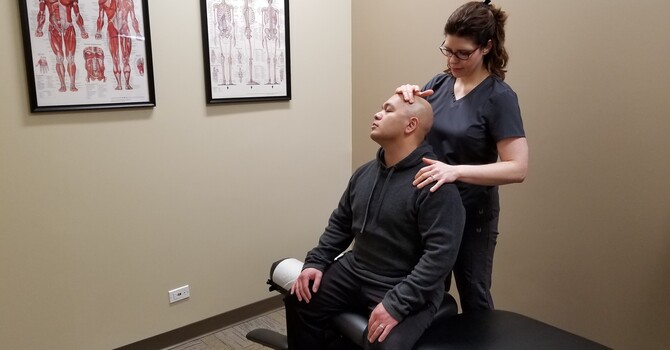
Just like a dental checkup looks for early signs of cavities or gum disease, a movement and joint assessment looks at how your body is moving and where stress may be building up.
During a musculoskeletal checkup we look at things such as:
• Joint mobility
• Posture and alignment
• Strength and stability
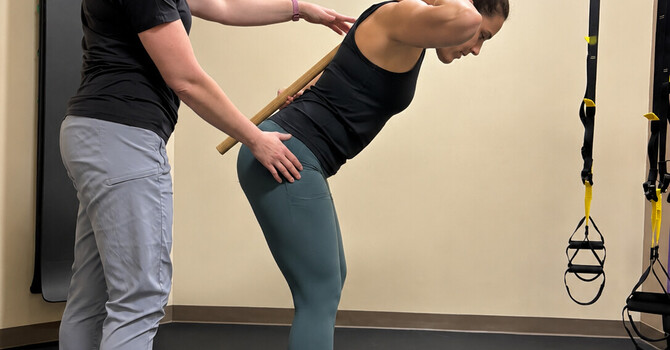
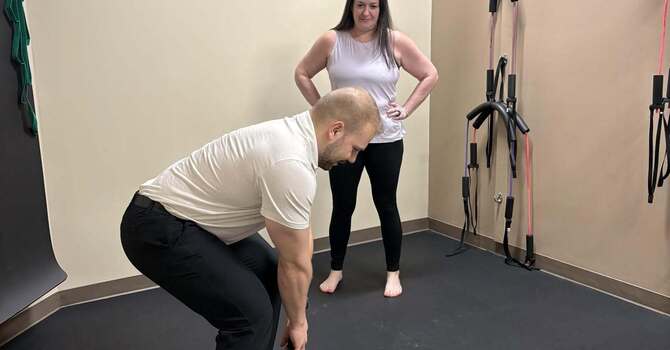
• Movement patterns like squatting, hinging, and reaching overhead
These assessments can reveal limitations long before they turn into pain or injury.
The goal is not just treatment. The goal is prevention.
When small issues are identified early, they are usually much easier to address with targeted exercises, mobility work, or simple adjustments in training and daily movement.
Using Technology to Understand Your Movement
At Reset Chiropractic and Wellness Center we have recently introduced Kinetisense movement screening technology to better understand how our patients move.
Kinetisense is a markerless motion capture system that analyzes movement in real time. It allows us to objectively measure joint motion, posture, and movement quality during tasks such as squatting, reaching, or balancing.
Instead of guessing where limitations may exist, we can see them clearly.
This technology helps us identify:
• Mobility restrictions
• Stability deficits
• Asymmetries between the right and left side
• Movement patterns that may increase injury risk
From there we can create a plan that is tailored specifically to you.
For some people that may mean chiropractic care to restore joint mobility. For others it may involve targeted exercises to improve strength, stability, or coordination.
The goal is always the same. Help you move better and stay active.
Prevention Is Easier Than Recovery
Many people only think about chiropractic care when they have back or neck pain. But movement assessments can be valuable even when you feel fine.
Checking in once or twice per year can help identify small issues before they become bigger problems.
Just like regular dental visits help maintain oral health, periodic movement screenings can help keep your joints and muscles functioning the way they should.
If you have never had your movement assessed, it may be worth taking a proactive approach.
Your body moves for you every day. Taking the time to check in on how it is functioning can make a big difference in staying healthy, active, and pain free.