Many people spend the majority of their day sitting. Whether it is working at a computer, attending virtual meetings, or answering emails, desk work often means staying in the same position for hours at a time.
Over time, this can slowly affect posture.
When we sit for long periods, the hips tend to tighten, the shoulders round forward, and the head moves closer toward the screen. This combination can place extra stress on the neck, upper back, and shoulders.
The result is something many people experience by the end of the day: stiffness, tension in the neck, tight shoulders, or discomfort in the upper back.
The good news is that improving posture does not require a complete workout routine. Small movement breaks throughout the day can go a long way in helping your body stay mobile and balanced.
Here are three simple exercises you can do right at your desk to help counteract the effects of prolonged sitting.
1. Seated Chin Tucks
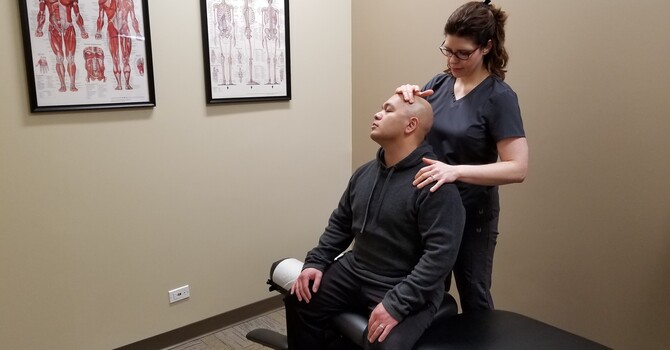
One of the most common posture issues we see is forward head posture. This happens when the head gradually drifts forward toward the computer screen. Even a small shift forward can significantly increase the stress placed on the neck and upper back.
Chin tucks help activate and strengthen the muscles that support proper head and neck alignment.
How to perform the exercise:
Sit upright in your chair with your feet flat on the floor and your back supported.
Keep your eyes looking straight ahead.
Gently pull your chin straight backward as if you are trying to create a “double chin.”
Avoid tilting your head up or down. The movement should be straight back.
Hold the position for 3 to 5 seconds and then relax.
Repeat this movement 8 to 10 times.
This exercise helps bring the head back over the shoulders and reduces unnecessary strain on the neck.
2. Seated Shoulder Blade Squeezes
When sitting at a desk, it is common for the shoulders to gradually round forward. This posture places the muscles of the upper back in a lengthened and weakened position while the chest muscles become tight.
Over time, this imbalance can contribute to shoulder tension and upper back discomfort.
Shoulder blade squeezes help activate the muscles between the shoulder blades that support better posture.
How to perform the exercise:
Sit tall with your chest lifted and your shoulders relaxed.
Gently pull your shoulder blades together as if you are trying to hold a pencil between them.
Avoid shrugging your shoulders upward. The movement should come from the upper back.
Hold the squeeze for about 5 seconds and then relax.
Repeat 10 times.
This simple movement helps counteract the rounded shoulder posture that often develops during long periods of desk work.
3. Seated Thoracic Extensions
The thoracic spine, which is the upper and mid portion of the back, often becomes stiff when we sit for long periods. When the thoracic spine lacks mobility, the neck and lower back often compensate.
This can lead to increased tension and discomfort throughout the spine.
Thoracic extensions help restore movement to the upper back and encourage a more upright posture.
How to perform the exercise:
Sit toward the front of your chair with your feet firmly on the floor.
Place your hands behind your head or lightly across your chest.
Gently extend your upper back over the backrest of your chair while keeping your lower back relatively stable.
Pause briefly and then return to the starting position.
Repeat 8 to 10 times.
This exercise helps reverse the forward-flexed posture many people maintain while working at a desk.
Why Movement Breaks Matter
Posture is not about holding one perfect position all day. In reality, no single position is ideal if it is held for too long.
The body is designed to move.
Taking short breaks throughout the day to stand, stretch, or perform a few simple exercises can help reduce stiffness and keep your joints and muscles functioning properly.
A good rule of thumb is to change positions or move every 30 to 45 minutes.
Even a quick movement break lasting one or two minutes can make a meaningful difference in how your body feels by the end of the day.
Understanding Your Movement Patterns
While these exercises can be helpful for many people, posture and movement patterns can vary from person to person.
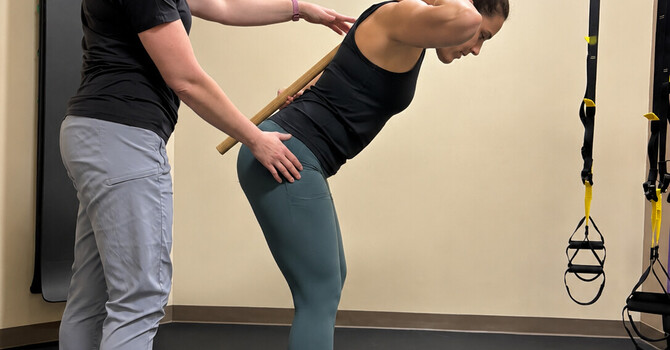
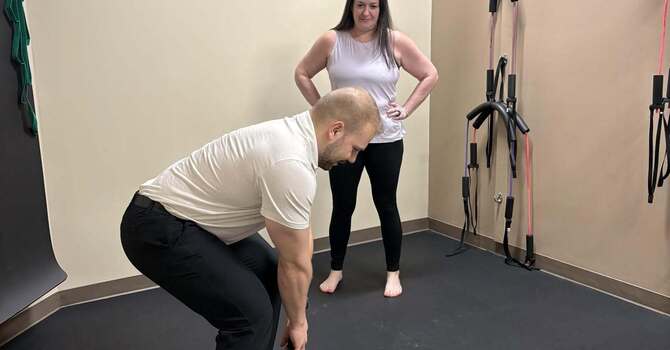
At Reset Chiropractic and Wellness Center, we use Kinetisense movement screening technology to analyze how patients move in real time. This allows us to identify mobility restrictions, stability issues, and movement imbalances that may contribute to discomfort or poor posture.
By understanding how your body moves, we can recommend exercises and treatment strategies that are specific to you.
If you spend a large portion of your day at a desk and notice stiffness or posture-related discomfort, incorporating small movement breaks and targeted exercises can help you stay more comfortable and active throughout the day.