If you’ve ever experienced back pain, you’ve probably been given general advice like “stretch more,” “strengthen your core,” or “improve your posture.”
But here’s the reality:
Not all back pain is the same — and treating it the same way can slow down your progress.
At Reset Chiropractic & Wellness Center, one of the most important steps we take is identifying what type of back pain you actually have before building a treatment plan.
Why? Because different types of back pain respond to completely different movements, positions, and treatments.
The 3 Most Common Types of Back Pain
1. Discogenic Pain (Most Common)
This is the most common source of lower back pain.
Discogenic pain comes from irritation or stress to the spinal discs — the cushions between your vertebrae.
Common Signs:
- Pain with sitting, bending forward, or slouching
- Discomfort when getting out of a chair
- Pain that may travel into the glutes or legs
- Feeling better when standing or walking
Key Pattern: Flexion Intolerant
This means movements that involve bending forward tend to aggravate symptoms.
2. Facet Joint Pain (Second Most Common)
Facet joints are the small joints in the back of your spine that guide movement.
When irritated, they can create more localized, sharp, or achy back pain.
Common Signs:
- Pain with standing for long periods
- Discomfort when leaning backward
- Pain when twisting or extending the spine
- Stiffness, especially after inactivity
Key Pattern: Extension Intolerant
Movements that involve arching backward tend to make symptoms worse.
3. Sacroiliac (SI) Joint Pain (Less Common, Often Misdiagnosed)
The SI joint connects your spine to your pelvis. While less common, it’s often confused with other types of back pain.
Common Signs:
- Pain on one side of the lower back
- Pain with single-leg movements (putting on pants, climbing stairs, getting in/out of a car)
- Discomfort when standing unevenly or shifting weight
- Pain that may feel deep or unstable
Key Pattern: Unilateral + Load Sensitive
Pain is usually on one side and triggered by weight-bearing on one leg.
Why the Type of Back Pain Matters
Here’s where many people get stuck:
They try stretches or exercises that actually make their specific condition worse.
For example:
- A forward bend stretch might help one person… but aggravate someone with disc pain
- Back extension exercises might feel great for some… but irritate facet joints
The wrong movement for the wrong condition = slower recovery (or more pain).
How We Identify Your Specific Type of Back Pain
This is why we don’t guess — we assess first, then treat.
During your visit, we’ll ask questions like:
- What movements make your pain worse?
- When do you feel it most?
- What positions feel better or worse?
These answers give us important clues about the pattern your body is showing.
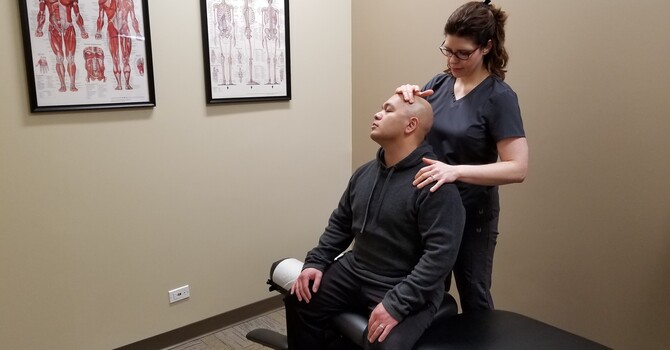
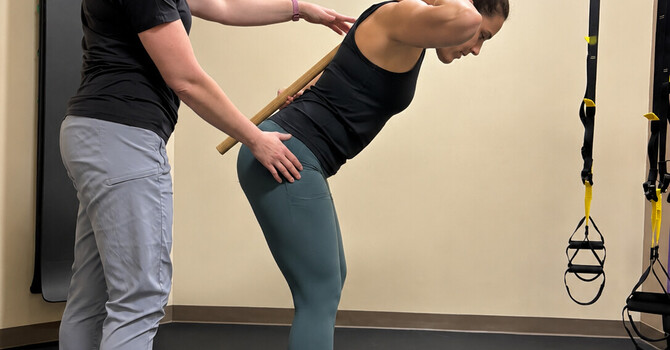
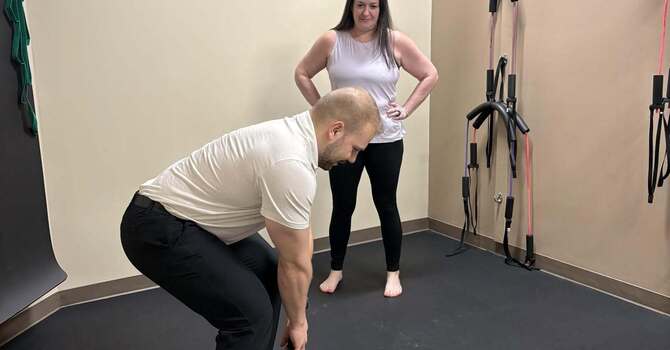
We then confirm those patterns with specific orthopedic tests in the office.
These tests help us determine:
- whether your pain is disc-related, joint-related, or SI-related
- how your spine and surrounding structures are moving
- what your body is tolerating vs. avoiding
Why This Leads to Better Results
Once we understand your specific pain pattern, we can:
- choose the right movements and exercises
- avoid positions that aggravate your condition
- target the true source of the problem
- create a more efficient and personalized treatment plan
This is how we help patients get better faster — and stay better longer.
The Takeaway
Back pain isn’t one-size-fits-all.
Understanding whether your pain is discogenic, facet-related, or SI joint-related is one of the most important steps toward lasting relief.
If you’ve been trying different things without success, it may not be that you’re doing the wrong things —
it may be that you’re doing the right things for the wrong problem.