One of the questions we hear regularly at Reset Chiropractic & Wellness Center is:
“Do I need an X-ray or MRI before you can treat me?”
The short answer is: not necessarily.
X-rays and MRIs can provide valuable information, but more testing doesn't always mean better care. The first step is determining what information we actually need to understand your problem.
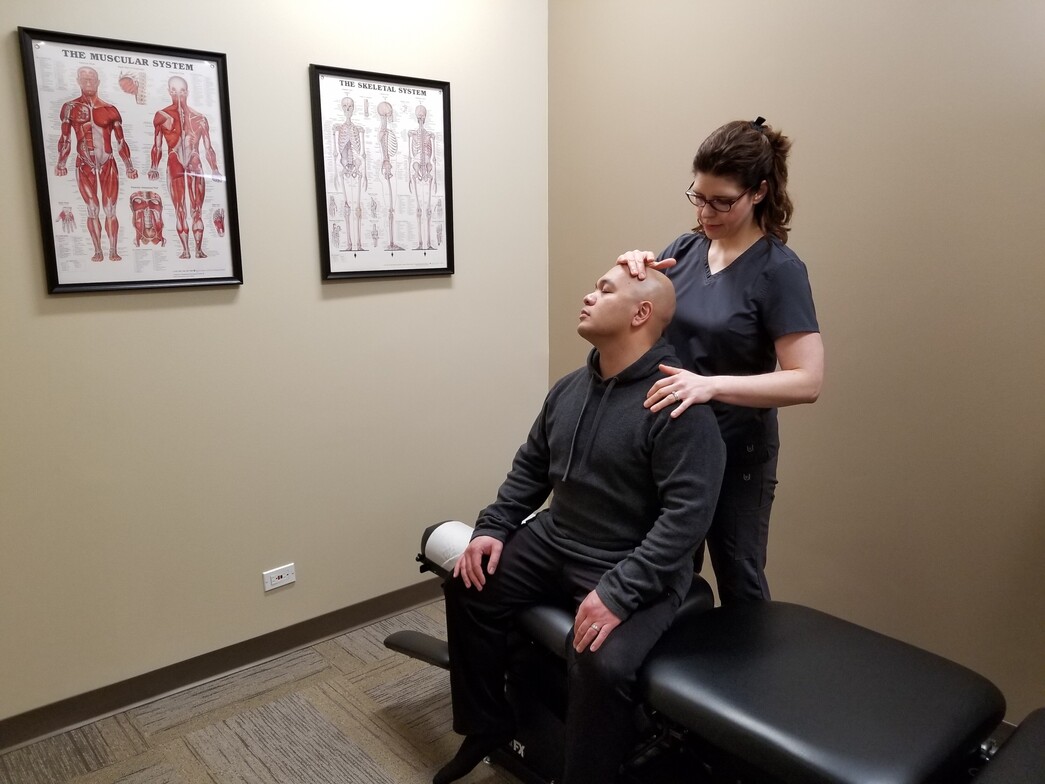
That's why we typically start with your history and a thorough physical examination.
What Can We Learn Without Imaging?
Before deciding whether you need an X-ray or MRI, we want to know things like:
- Where does it hurt?
- When did it start?
- Was there an injury?
- Which movements make it better or worse?
- Are you experiencing numbness, tingling or weakness?
- How are your joints moving?
- Are there limitations in your strength, flexibility or stability?
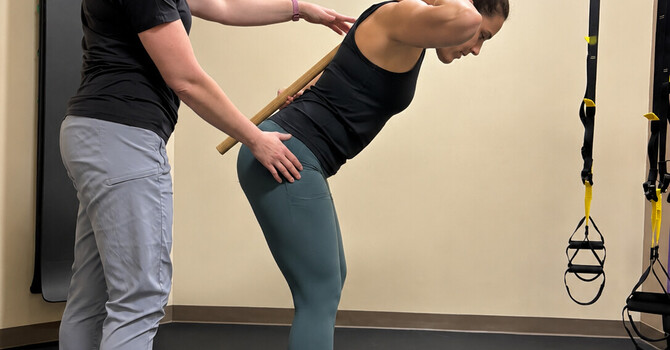
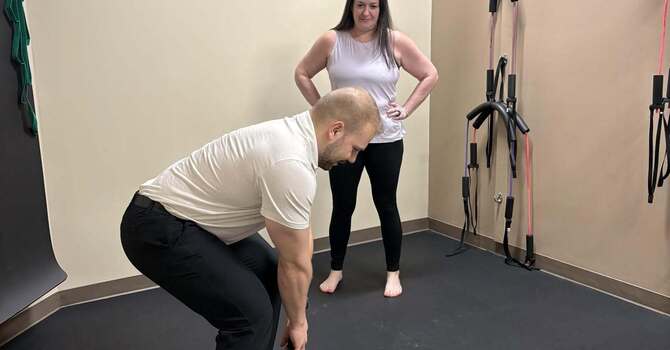
We also look at how you perform movements related to your symptoms.
For many common cases of back, neck and joint pain, this information gives us enough to begin an appropriate conservative treatment plan without immediately ordering imaging.
Depending on what we find, treatment may include chiropractic care, individualized physical therapy and rehabilitation exercises, mobility work, dry needling, or other treatment strategies designed around your specific needs.
When Is an X-Ray Helpful?
X-rays are best at showing bones.
We may recommend an X-ray when we're concerned about something such as a fracture, significant arthritis or degeneration, certain structural abnormalities, or another condition involving the bones.
X-rays may also be appropriate after certain types of trauma or when your history and examination indicate that we need more information before beginning treatment.
But an X-ray doesn't show us how well you move, how strong you are, or exactly why a particular activity causes pain.
When Is an MRI Helpful?
An MRI provides much more detail about soft tissues, including discs, nerves, tendons, ligaments and muscles.
We may recommend an MRI when symptoms or examination findings suggest a problem that requires a closer look at those structures.
MRI may also become appropriate when someone isn't responding to conservative treatment as expected or when the results could change the treatment plan or determine whether another specialist should be involved.
For example, imaging can sometimes be helpful when we suspect a tendon or other soft-tissue injury that isn't improving as expected. For certain chronic tendon conditions, the examination—and occasionally imaging—can also help us determine whether treatments such as radial shockwave therapy may be appropriate.
An MRI Finding Isn't Always the Cause of Your Pain
This is one of the most important things to understand about imaging.
X-rays and MRIs frequently show changes in our bodies as we age—even in people who aren't experiencing pain.
Someone can have arthritis, disc degeneration, a disc bulge or other findings on imaging without those findings necessarily being the reason they're hurting.
The opposite can also happen: someone can have significant pain despite relatively minor imaging findings.
That's why we don't treat an MRI.
We treat the person sitting in front of us.
Your imaging results need to be considered alongside your symptoms, examination findings, movement and function.
So, When Do You Really Need Imaging?
There's no single answer that applies to everyone.
We may recommend imaging sooner when there has been significant trauma, when we identify concerning findings during your history or examination, or when symptoms suggest that additional investigation is warranted.
In other cases, it may be reasonable to begin conservative treatment and monitor how you respond.
If you're improving as expected, imaging may never be necessary.
If you're not progressing—or your symptoms change—we can reassess and determine whether an X-ray, MRI or referral to another healthcare provider is the appropriate next step.
The Takeaway
If you develop back, neck or joint pain, you don't necessarily need to start by asking:
“Do I need an MRI?”
A better first question may be:
“What information do we need to figure out what's causing my problem?”
Sometimes the answer includes imaging.
Sometimes a thorough history, physical examination and movement assessment give us what we need to get started.
More imaging doesn't necessarily mean better care. The right test is the one that helps answer a specific clinical question.
And ultimately:
The right treatment starts with the right evaluation.
At Reset Chiropractic & Wellness Center in Bloomingdale, Illinois, we provide chiropractic care, individualized physical therapy and rehabilitation, dry needling, and radial shockwave therapy for patients with back, neck and joint pain. We regularly care for patients from Bloomingdale, Roselle, Medinah, Itasca and surrounding communities.