Winter in Illinois means snow — sometimes a little, sometimes way more than we expected. And whether you're in Bloomingdale, Roselle, Medinah, or anywhere nearby, chances are you’ll find yourself outside with a shovel at some point.
A few years ago, we recorded a short video walking through the right (and wrong) way to shovel snow to avoid back pain. Even though it was filmed a while back, the fundamentals of safe movement haven’t changed — and these tips still help our patients today.
Below is an updated breakdown of the core lessons from that video, plus some practical reminders to keep your spine safe all winter long.
1. Warm Up Before You Start Shoveling
Most people step outside and go straight into heavy lifting with cold muscles — a recipe for strains and spasms.
A quick warmup makes a big difference:
-
March in place for 60–90 seconds
-
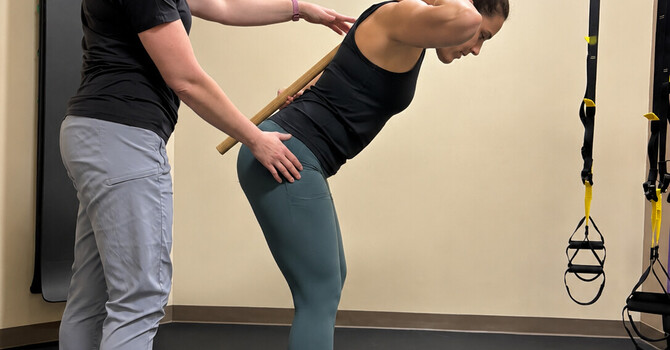
Do a few gentle hip hinges
-
Add light torso rotations
-
Stretch your hamstrings and hip flexors
It doesn’t have to be complicated — just enough to get blood flowing and your joints primed.
2. Use the Right Shovel (Yes, It Matters)
A shovel that’s too long or too heavy can strain your lower back without you realizing it.
A better option:
-
Lightweight shovel
-
Curved handle if possible
-
Blade size that doesn't tempt you to lift too much at once
Small loads, lifted well, beat huge loads lifted poorly every time.
3. Push the Snow Instead of Lifting It
This is one of the biggest takeaways from the video:
pushing = safer for your spine than lifting.
Whenever the snow conditions allow:
-
Keep the shovel in front of you
-
Use your legs to push
-
Avoid repeatedly scooping and tossing
It reduces compression on your lower back and keeps you from twisting into awkward positions.
4. If You Must Lift, Use Proper Mechanics
Sometimes snow is packed, heavy, or in tight areas where pushing alone won’t cut it.
Here’s the technique we demonstrated:
-
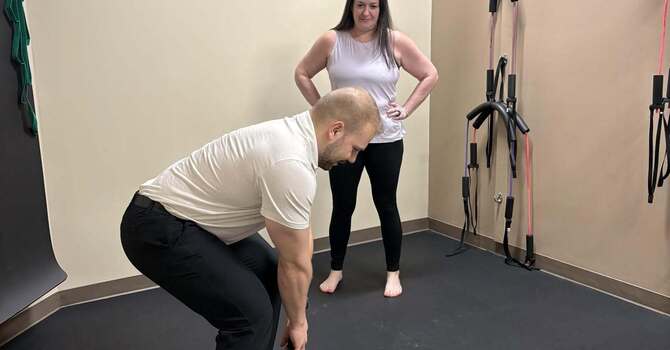
Bend at your hips and knees, not your waist
-
Keep the shovel close to your body
-
Lift with your legs, not your back
-
Avoid twisting while holding weight
-
Turn your whole body instead of rotating your spine
It’s simple body mechanics, but incredibly protective.
5. Take Frequent Breaks — Don’t “Power Through”
Fatigue is where most injuries happen.
Snow shoveling is sneaky — it feels manageable until suddenly it isn’t.
Take short breaks every 5–10 minutes to:
-
Rest
-
Stretch
-
Check in with how your body feels
Your back will thank you.
6. Stay Ahead of Big Snowfalls
The video also highlighted this underrated tip:
Shovel in layers.
When we get heavy or wet snow:
-
Do one pass early
-
Another mid-storm
-
A final cleanup at the end
It’s far easier on your spine than trying to move all 12 inches at once.
7. Know When Your Body Is Saying “Stop”
Soreness is normal. Sharp or lingering pain is not.
If your back tightens, spasms, or sends shooting pain down your leg, that’s your cue to call it a day and rest.
If You Hurt Your Back While Shoveling… We’re Here to Help
Even with perfect technique, snow shoveling is hard work — and sometimes injuries still happen.
If you’re feeling:
-
Lower back pain
-
Sciatica
-
Stiffness that won’t go away
-
Muscle spasms
-
Or pain that started after shoveling snow
…our team at Reset Chiropractic & Wellness Center is here to help you recover safely and quickly.
A proper evaluation can help rule out anything serious and get you back to feeling normal.
You can book an appointment online if your pain doesn’t settle down after a day or two.